


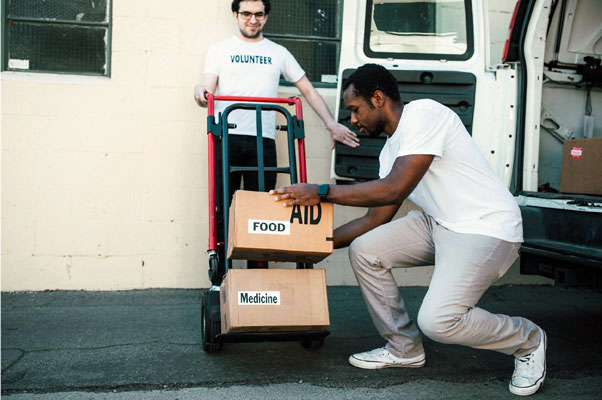
Severe storms, floods, and fires leave neighborhoods scrambling for basic survival supplies. Local leaders must act fast to bring stability back to impacted streets.
Finding clean water, secure shelter, and warm meals requires clear planning before bad weather strikes. Knowing where to turn keeps families safe when regional networks fall apart.
Setting Up Immediate Emergency Response Plans
Town halls must establish emergency operational centers long before storm season arrives. Clear chains of command allow responders to dispatch aid quickly without administrative delays. Local teams handle initial evacuations as federal aid prepares to arrive on site.
Communication lines often go dark when major grid infrastructure collapses under severe weather. Backup satellite radios help organizers keep track of supplies and missing residents. Radio operators bridge critical communication gaps between neighborhood block captains and regional rescue crews.
Disaster relief teams rely on pre-arranged staging areas near major highways for rapid deployment. Hubs store non-perishable goods, bottled water, and medical kits for immediate distribution. Global relief groups like the UN confirm that steady food distribution remains critical until local markets recover.

Organizing Local Food and Water Supply Chains
A crisis creates immediate shortages across local grocery stores and pantries. Community leaders often partner with professional emergency food services to deliver fresh meals to displaced residents. Having hot meals served at neighborhood shelters brings comfort during chaotic days.
Clean drinking water demands immediate priority when municipal water plants lose power. Distributing water purification tablets prevents waterborne illness from taking hold in flooded neighborhoods. Tanker trucks deliver bulk drinking supply to neighborhood distribution points every morning.
Volunteers organize neighborhood pantries using direct distribution methods to avoid long crowding lines. Neighborhood captains track household counts to maintain fair allocation among families. Staggered pickup times keep traffic moving smoothly around distribution sites.
Coordinating Volunteer Efforts on the Ground
Willing volunteers arrive in large numbers immediately following a major weather event. Managing spontaneous volunteers requires structured check-in stations and safety briefings. Assigning specific tasks prevents confusion around staging areas.
International charities play a huge role in organizing local volunteer networks during major crises. International groups like SCIAF aided 245,000 people experiencing extreme crises across the globe during 2024 alone. Partnering with established aid organizations helps local teams scale their cleanup operations quickly.

Skill-matching helps direct tradespeople toward heavy debris removal and structural repair work. Organizing workers by trade accelerates home stabilization across damaged neighborhoods.
- Chainsaw operators for clearing fallen trees from roadways
- Licensed drivers for transporting bulk supplies to neighborhood hubs
- Medical staff for running basic triage stations at relief shelters
- Warehousing staff for sorting donated clothes and bedding
Securing Financial Aid and Government Grants
Local governments need immediate financial capital to restore damaged public property. Federal grants offer direct funding for emergency debris cleanup and road restoration. Submitting accurate damage documentation speeds up payout schedules from disaster relief programs.
Non-profit organizations mobilize global funding networks to support relief efforts across multiple disaster zones. Global aid group Concern Worldwide managed 50 separate emergency responses across 22 nations in 2024, assisting 15.5 million individuals. Securing aid from large international non-profits helps towns cover immediate gaps before government money arrives.
Civic leaders must track all relief expenses diligently from the first day of recovery operations. Keeping detailed receipts simplifies audit processes required by federal recovery programs. Clear accounting practices prevent funding delays when applying for reimbursement.
Establishing Temporary Shelters and Safe Zones
School gymnasiums and civic centers provide immediate shelter for families fleeing damaged homes. Safe shelters require reliable generators to maintain lighting and refrigeration for medicine. Cots, clean blankets, and hygiene kits give residents a safe place to rest.
Sanitation infrastructure demands constant attention inside temporary housing structures. Installing portable toilets and handwashing stations reduces health risks in crowded facilities. Cleaning crews disinfect common areas regularly to prevent viral outbreaks among shelter guests.
Pet-friendly shelters keep families together during traumatic displacement periods. Designating separate space for domestic animals reduces stress levels among evacuated residents. Local animal rescue groups assist by supplying pet food, crates, and veterinary care.

Rebuilding Infrastructure and Public Utilities
Restoring electrical power remains top priority for municipal public works crews. Linemen clear fallen trees off transmission cables before energizing local lines. Priorities focus on hospital grids, water stations, and emergency communications centers.
Road clearance operations allow emergency vehicles access to remote residential zones. Heavy machinery operators clear mudslides, downed trees, and structural debris from arterial roads. Temporary bridges restore connection to isolated neighborhoods cut off by flooded rivers.
Engineers inspect bridges and public structures for hidden damage caused by raging floodwaters. Safety inspectors mark dangerous buildings with clear warnings to protect residents from collapse hazards. Repairing critical infrastructure creates a safe foundation for long-term community rebuilding efforts.
Providing Mental Health Support and Trauma Care
Surviving extreme weather events inflicts heavy emotional stress on adults and children alike. Community centers host peer support groups to help neighbors share their experiences. Counseling teams offer trauma-informed care to individuals experiencing acute anxiety after losing homes.
First responders face intense psychological strain during weeks of nonstop rescue operations. Peer support specialists conduct debriefing sessions for firefighters, police officers, and medical teams. Managing worker fatigue keeps emergency responders healthy throughout long recovery cycles.
Schools reopen temporary learning spaces to rebuild normal daily routines for displaced children. Youth counselors guide students through creative expression activities to process storm memories. Restoring familiar schedules brings comfort to young families navigating difficult transitions.
Creating Long-Term Community Resilience Plans
Rebuilding stronger means assessing structural vulnerabilities exposed during disasters. Cities update building codes to withstand higher wind speeds and heavier rainfall events. Smart urban design mitigates future flood hazards across vulnerable residential zones.
Neighborhood associations create localized emergency response plans tailored to specific block needs. Neighborhood leaders map out vulnerable senior citizens requiring special assistance during evacuations. Local communication chains make sure swift alerts reach every household prior to dangerous weather.
Communities build resilient futures by combining government resources with local grassroots action. Effective long-term recovery strategies focus on key structural goals.
- Upgrading drainage systems to prevent urban flash flooding
- Strengthening local microgrids with solar power and battery storage
- Constructing reinforced community storm shelters in high-risk zones
- Establishing permanent disaster relief funds managed by local non-profits
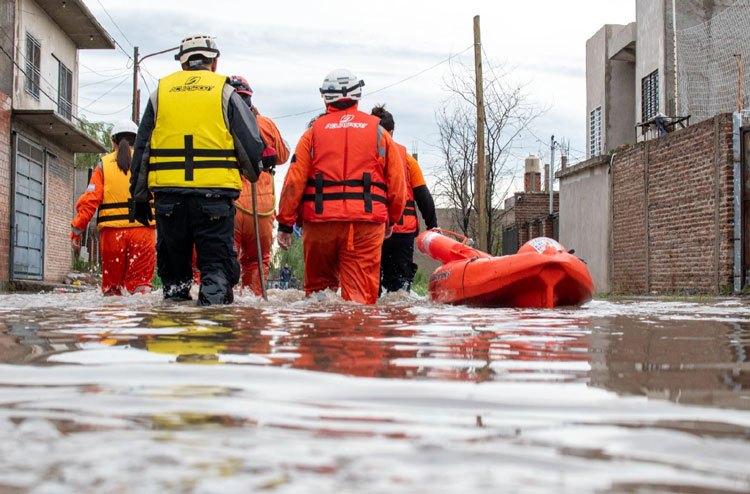
Disaster recovery relies on preparation, teamwork, and reliable support networks working together seamlessly. Connecting local organizing power with external relief agencies speeds up physical and emotional healing for impacted neighborhoods.
Strong planning turns sudden hardship into an opportunity for long-term community strength. Working together guarantees that every household receives the food, shelter, and care necessary to rebuild safer lives.