

Interior design is often associated with dramatic renovations or expensive furniture, but the spaces people enjoy most are rarely defined by luxury alone. Instead, they reflect thoughtful choices that make everyday routines feel easier, more comfortable, and more inviting. A well-designed home supports the way its occupants actually live, balancing style with practicality while creating an environment that feels welcoming throughout the year.
The most successful interiors evolve gradually rather than changing overnight. Small improvements in color, lighting, furniture placement, and decorative details can significantly influence how a room looks and functions. Rather than following every new trend, homeowners increasingly focus on timeless design principles that continue to feel relevant regardless of changing fashions.
Use Color to Create the Right Atmosphere
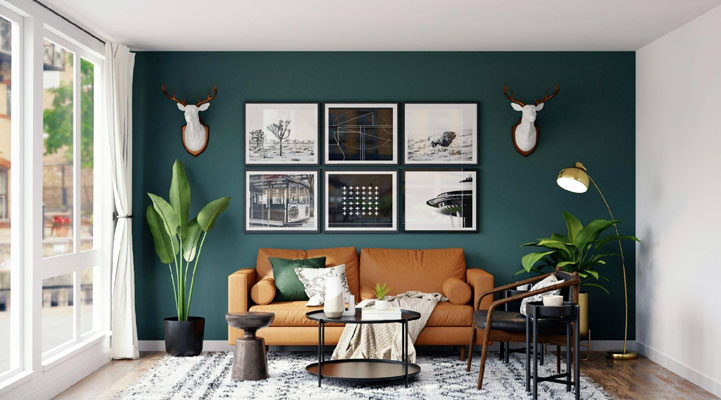
Color is one of the most influential elements in interior design because it shapes the mood of a room before any furniture or decorative accessories are considered. Soft neutrals often create a calm, versatile foundation, while richer shades introduce warmth, character, and visual interest without overwhelming the space. Choosing the right palette depends less on what’s currently fashionable and more on how the room is intended to be used.
Natural patterns have become especially popular because they add depth without feeling overly busy. Installing green floral wallpaper in a bedroom, reading nook, hallway, or dining area introduces botanical elements that help soften interiors while complementing wood finishes, natural textiles, and indoor plants. Floral patterns inspired by nature also remain versatile across changing seasons, allowing homeowners to refresh accessories without redesigning the room itself.
Design Around Daily Habits Instead of Trends
Many beautifully photographed interiors look impressive but aren’t particularly practical for everyday life. The most enjoyable homes are those designed around routines rather than social media inspiration. Before choosing furniture or decorative pieces, it helps to consider how each room is actually used from morning until night.
A living room intended for family movie nights benefits from comfortable seating and flexible lighting, while a home office requires organization and minimal distractions. Kitchens become easier to use when frequently used items remain within reach, and entryways feel more welcoming when they include simple storage for coats, shoes, and bags. Designing around these daily habits creates spaces that remain functional long after temporary design trends have faded.
Practical layouts also reduce frustration throughout the day. When furniture supports natural movement through a room and storage is located where it’s needed most, everyday tasks become smoother without requiring additional effort.
Layer Different Types of Lighting
Lighting influences how every other design choice is perceived. A carefully selected paint color or beautiful piece of furniture may appear completely different under poor lighting, making illumination one of the most valuable investments in any interior.
Rather than relying exclusively on a central ceiling fixture, combining several light sources creates greater flexibility. Floor lamps, table lamps, wall sconces, and adjustable reading lights allow different areas of a room to serve multiple purposes throughout the day. Bright task lighting works well for cooking or reading, while softer lighting creates a calmer atmosphere during the evening.
Natural light deserves equal attention. Keeping windows unobstructed where possible and choosing window treatments that maximize daylight can make even smaller rooms feel brighter and more spacious. Mirrors positioned strategically opposite windows also help reflect natural light deeper into the home.
Add Texture to Create Warmth and Character
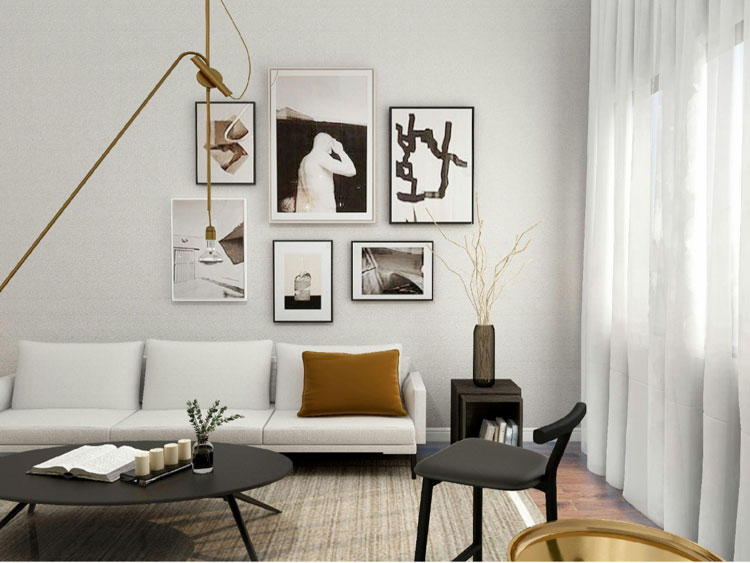
A room filled with matching materials can sometimes feel flat, even when every individual piece is attractive. Introducing a variety of textures creates visual depth while making interiors feel more comfortable and inviting.
Soft throws, woven baskets, linen curtains, wooden furniture, ceramic accessories, and upholstered seating all contribute different tactile qualities that work together without overwhelming the space. Mixing these materials helps rooms feel layered and lived-in rather than carefully staged.
Seasonal updates become much easier when texture forms the foundation of the design. Lightweight fabrics, fresh flowers, and natural fibers work well during warmer months, while heavier blankets, knitted cushions, and warm wood accents create a cozy atmosphere during autumn and winter without requiring major decorative changes.
Texture also encourages people to spend more time in a space. Comfortable seating, soft rugs underfoot, and inviting fabrics subtly influence how welcoming a room feels, often more than bold decorative statements.
Prioritize Organization Without Sacrificing Style
Clutter has a way of diminishing even the most thoughtfully designed interiors. Fortunately, organization doesn’t require hiding every personal belonging. Instead, it involves creating designated places where frequently used items remain accessible while preserving a sense of order.
Built-in shelving, decorative storage boxes, woven baskets, and multifunctional furniture all help maintain tidy spaces without making rooms feel sterile. Open shelving can display books, artwork, or meaningful objects, while closed storage keeps everyday necessities out of sight when not in use.
Regularly editing decorative items also helps maintain balance. Rather than filling every available surface, leaving some open space allows carefully chosen pieces to stand out. This approach creates interiors that feel calmer and more intentional while reducing the amount of time required for cleaning and maintenance.
Let Your Home Reflect Your Personality
A well-designed home should feel personal rather than perfectly identical to every trend currently circulating online. Incorporating meaningful artwork, travel souvenirs, family photographs, handmade ceramics, or favorite books adds character that cannot be replicated through mass-produced décor alone.
These personal details often become conversation starters while reminding homeowners of important memories and experiences. They also help create emotional connections to a space, making a house feel genuinely lived in instead of carefully staged for photographs.
The most enjoyable interiors are rarely the most expensive. They are the ones that successfully combine comfort, functionality, thoughtful design, and personal expression into spaces that support everyday life. By focusing on timeless principles instead of short-lived trends, homeowners can create rooms that remain welcoming, practical, and visually appealing for many years to come.