
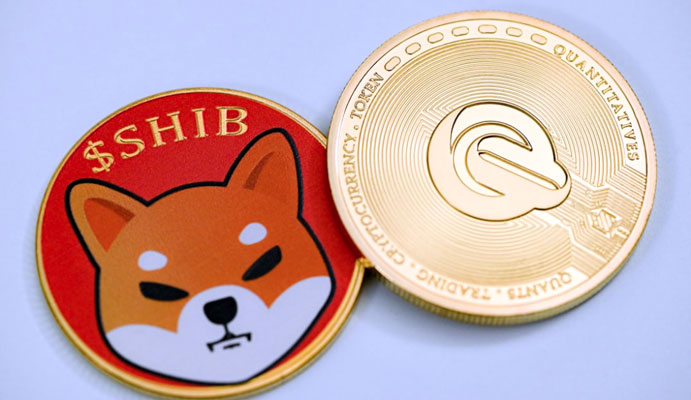
The best challenge coins are read with the fingers as much as the eyes. Their weight, their raised edges, and their small details tell a recipient this moment mattered. A cheap coin feels like a token, but a well-designed one feels like an heirloom.
That difference is entirely a matter of design. A coin might honor a veteran, a fire crew, or a championship team. But one ordered from a specialist like Challenge Coins 4 Less custom coins only works if the design carries real meaning. Getting there takes a few deliberate choices.
What Makes a Coin Worth Keeping?
The answer is meaning, not metal. A challenge coin is a small medallion that captures an achievement, a group, or a moment in a form people keep for life. Its value lives in what it represents, not its material cost.
Permanence is the whole point. A well-made coin is a physical record that outlasts the certificate, the photo, and often the job itself. Decades later, it still tells its story at a glance.
That is why the design deserves care. A rushed emblem or a fuzzy motto cheapens the honor, while a thoughtful one amplifies it. The coin should feel worthy of the moment it marks.
Start With the Story
Every strong coin begins with a story, not a logo. Ask what the coin should say about the people who earn it. A county that honors its own, from the crews on a wildfire line to the veterans in a July 4 parade, already knows the story worth telling in metal.
Symbols do the heavy lifting. A mountain, a badge number, a founding year, or a local landmark can carry decades of meaning in a single image. Choose 2 or 3 core symbols and let them breathe.
Words should be few and deliberate. A motto is a short phrase that anchors the coin’s meaning, and it works best kept under 6 words. The rest of the story lives in the imagery.
Which Design Choices Matter Most?
A handful of technical decisions shape how the finished coin feels. Each one is worth a moment of thought.
- Size. Most coins run 1.5 to 2 inches; larger reads as more prestigious.
- Metal and plating. Antique bronze, silver, or gold plating sets the tone.
- Color. Soft enamel is a colored fill set into recessed areas of the coin.
- Edge. Rope, scalloped, or cross-cut edges add a tactile, premium feel.
Two-sided design doubles the story. Put the primary emblem on the front and a motto, date, or serial number on the back. Veterans groups such as the American Legion have paired unit insignia with mottos on coins for generations, a template still worth following.
How Do Communities Put Coins to Work?
The uses reach well beyond the military. A short list shows the range.
- Departments and crews. Police and fire teams mark bravery and retirement.
- Teams and clubs. Youth and school squads commemorate a standout season.
- Veterans groups. Posts honor members, milestones, and remembrance.
- Fundraisers. Coins sell as keepsakes to support a local cause.
- Civic recognition. Towns thank volunteers and long-serving officials.
Fundraising deserves a special note. A limited run of 250 numbered coins can raise real money for a cause while giving donors something lasting. Numbered coins even find a second life among collectors, a hobby the American Numismatic Association has supported for over 130 years. The same pride that fuels support for local veteran programs turns a coin into a keepsake worth buying.
Getting the Details Right
Once the concept is set, execution decides the outcome. A short process keeps the project on track.
- Sketch the concept. Rough out both faces before commissioning art.
- Approve a proof. Review the digital mockup for spelling and scale.
- Pick the quantity. A first run of 100 to 250 keeps the unit price low.
- Confirm the finish. Lock the metal, color, and edge before production.
- Build in a buffer. Allow 2 to 3 weeks for manufacturing and shipping.
Common Mistakes to Avoid
A few missteps quietly undermine an otherwise good coin. Steering clear of them protects the investment.
- Overcrowding. Too many symbols turn the face into visual noise.
- Tiny text. Fine print vanishes at coin scale, so keep it bold.
- Skipping the proof. Unchecked mockups are how typos get minted.
- Ordering too few. A short run leaves nothing for future recipients.
What to Keep In Mind
- A challenge coin’s value comes from meaning, not material cost.
- Start with the story, then choose 2 or 3 core symbols.
- Size, metal, color, and edge all shape how the coin feels.
- Communities use coins for crews, teams, veterans, and fundraising.
- A first run of 100 to 250 coins keeps the unit price reasonable.
- Always approve a proof and allow 2 to 3 weeks for production.
A Small Object With a Long Memory
A challenge coin is one of the few keepsakes people carry for a lifetime. Design it around a genuine story, sweat the small details, and it becomes a lasting emblem of a moment that mattered. For any community proud of its own, that is a design worth getting right.
FAQ
What Size Should a Custom Challenge Coin Be?
Most custom coins run 1.5 to 2 inches across, which fits the hand and feels substantial. Larger sizes read as more prestigious but cost more. The right size depends on the coin’s purpose and budget.
How Long Does It Take to Make a Custom Coin?
After the design is approved, production and shipping typically take 2 to 3 weeks. Rush options exist but cost extra. Approving a clear proof early is the best way to avoid delays.
Can Small Groups Afford Custom Coins?
Yes. A first run of 100 to 250 coins keeps the per-unit price low, often just a few dollars each. Many groups offset the cost by selling coins as fundraising keepsakes.
What Should Go On the Back of a Coin?
The back usually carries a motto, a date, a serial number, or a secondary emblem. It is the natural place for the details that would crowd the front. Keeping text short and bold keeps it readable.