
New ponds will support imperiled native amphibians and other species
Contributed Article/Courtesy AZGFD
SPRINGERVILLE– A large habitat restoration project will provide new and improved wetlands for the federally-protected Chiricahua leopard frogs in Arizona Game and Fish’s White Mountain Grasslands Wildlife Area – bringing much-needed surface water for native wildlife amid the ongoing drought.
The project was possible through a partnership between the Arizona Game and Fish Department (AZGFD), the Amphibian and Reptile Conservancy (ARC), and Wetland Restoration and Training, LLC, with assistance from a group of dedicated volunteers and crews from the Arizona Department of Forestry and Fire Management and the U.S. Forest Service.
For two weeks in May, the team worked together to deepen and add aquatic-safe liners to six pond sites within the wildlife area, which will prevent seepage and keep water on the surface longer to aid in the recovery of the imperiled amphibian species.
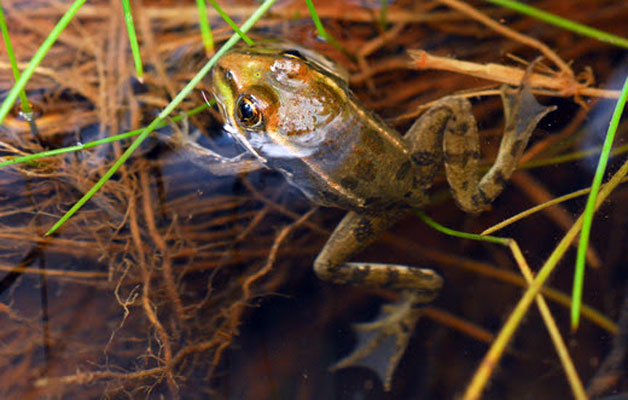
Chiricahua leopard frogs are a native species to Arizona that are listed as threatened under the Endangered Species Act. The White Mountain Grasslands Wildlife Area has supported a small population of the threatened frogs since 2021.

Drought is an ongoing threat to Chiricahua leopard frogs because they require permanent water sources in the landscape, like springs, streams, ponds, and stock tanks, to thrive. Other threats to the species include disease and competition from invasive species.
“Having six ponds in close proximity to each other provides habitat redundancy for the frogs. During drought, one or more of the ponds can dry without the whole population disappearing,” said Ian Latella, AZGFD ranid frogs project coordinator.
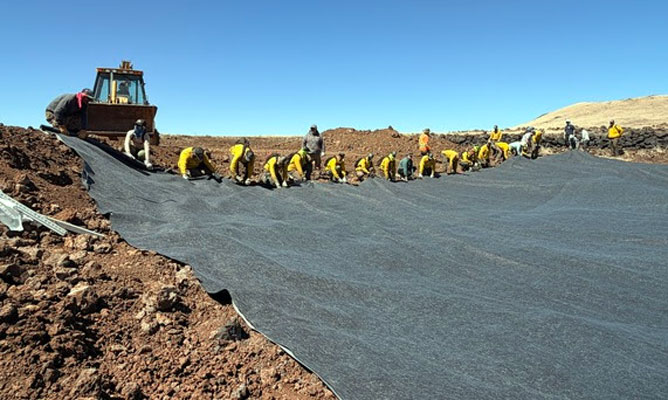
Maintaining and restoring aquatic habitats is the best tool to combat the continuing drought. Although these projects may be identified for a single species, such as the Chiricahua leopard frog, increasing water availability and permanence benefits all wildlife.
“Don’t let the size or relatively simple appearance of the wetlands here fool you; they’re biodiversity hotspots,” said Becca Cozad, ARC Southwestern Program Coordinator. “Every pond we restore increases the odds that these species will survive into the future.”
AZGFD has focused its efforts on restoring springs, ponds, and cattle tanks & protection of habitat to mitigate the effects of drought since 2007.

Since 2007, AZGFD and partners have enhanced, protected, or restored habitat at 48 sites throughout the range of Chiricahua leopard frogs in Arizona.
The White Mountain Grasslands Wildlife Area is managed by the Arizona Game and Fish Department and includes plains grassland habitat on gently rolling hills, knolls, and flat terrain.
Five of the improved ponds will be filled naturally from precipitation, and one will be connected to a nearby well to ensure a year-round water supply. Once the ponds are sufficiently filled, Chiricahua leopard frogs will be translocated to the wildlife area to bolster the local population. AZGFD did 12 leopard frog salvages in response to the drought in 2025, moving over 3,700 frogs to more resilient sites.
“Chiricahua leopard frogs are unique to the desert Southwest and are an important part of our state’s natural heritage,” said Audrey Owens, amphibians and reptiles program manager for the Arizona Game and Fish Department. “Projects like this, where we partner with other organizations to restore aquatic habitat, are critical for recovery of the leopard frog, but also improve habitat for all species that rely on water across the landscape.”