

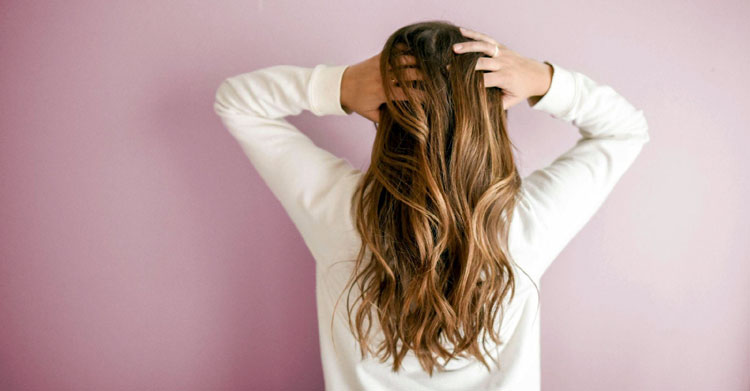
Most people leave a salon appointment feeling confident about their hair, only to notice the style gradually losing its shape, smoothness, or volume within days. While some fading is natural, the longevity of a haircut, color treatment, or blowout often depends less on the appointment itself and more on the habits that follow afterward. Small daily routines can dramatically affect how hair looks and behaves between salon visits.
Modern hair care is increasingly focused on maintenance rather than constant correction. Instead of relying on frequent appointments to restore damaged or unmanageable hair, many people are learning how everyday habits influence texture, shine, hydration, and overall style retention. From heat exposure to washing routines, the condition of the hair between appointments often determines whether a style continues looking polished or quickly becomes difficult to manage.
Overwashing Often Shortens the Life of a Style
One of the most common mistakes people make is washing their hair too frequently. While clean hair feels refreshing, excessive washing can strip away natural oils that help maintain smoothness, softness, and shape. Hair that becomes overly dry tends to lose flexibility, making styles harder to maintain over time.
This becomes especially noticeable with color-treated hair, layered cuts, or styles that depend on volume and texture balance. Frequent shampooing may also weaken styling products and reduce the longevity of salon finishing techniques.
Many professionals recommend adjusting washing schedules based on hair type rather than habit alone. People with textured, curly, or chemically treated hair often benefit from fewer washes combined with lightweight hydration routines that preserve moisture without creating buildup.
Heat Protection Makes a Bigger Difference Than Most People Think
Daily heat styling remains one of the largest contributors to premature hair damage. Blow dryers, curling irons, straighteners, and heated brushes can gradually weaken the hair shaft when used repeatedly without proper protection.

The problem is not simply visible dryness. Heat damage often affects how hair holds shape, reflects light, and responds to styling. Once the hair becomes brittle or uneven in texture, even professionally cut styles begin looking less polished much faster.
People trying to maintain salon-quality results between appointments are increasingly paying closer attention to heat management. Many clients visiting David Ryan Salon Trophy Club, TX look for maintenance-focused strategies that help preserve texture, hydration, and manageability between styling sessions, especially in climates where heat exposure can accelerate dryness over time.
Sleeping Habits Can Affect Hair More Than Styling Products
Many people focus heavily on daytime hair care while overlooking what happens overnight. Friction from pillows, tight hairstyles during sleep, and moisture loss can all affect how hair looks the following morning.
Cotton pillowcases may increase friction, particularly for longer or textured hair types. This can contribute to tangling, breakage, frizz, and flattened volume that becomes harder to restore without additional styling.
Loose protective hairstyles and smoother pillow materials are becoming more common recommendations because they help reduce unnecessary stress on the hair during sleep. Overnight care may seem minor, but consistent habits often produce noticeable differences in how long styles remain manageable between appointments.
Product Overload Often Creates More Problems
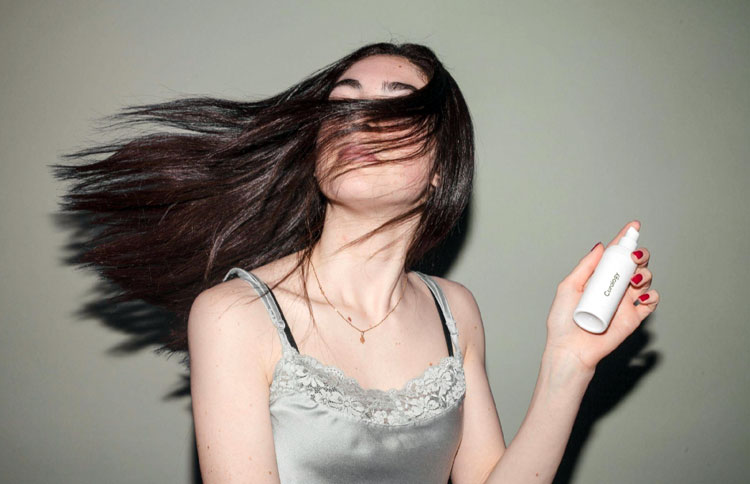
One common misconception is that more products automatically lead to healthier-looking hair. In reality, excessive use of oils, sprays, creams, and styling products can gradually create buildup that affects texture and movement.
Heavy buildup may cause hair to feel dull, weighed down, or difficult to style consistently. Some products also interact poorly with heat tools or environmental humidity, reducing the effectiveness of salon styling techniques.
The best maintenance routines are usually balanced rather than excessive. Using fewer products strategically often helps preserve natural movement and keeps styles looking cleaner for longer periods. Professional recommendations are typically based on individual hair density, texture, climate, and lifestyle rather than following generic trends.
Environmental Exposure Affects Hair Quality Daily
Hair is constantly exposed to environmental stressors that many people rarely consider. Sun exposure, humidity, wind, pollution, and hard water can all gradually affect texture, moisture levels, and color retention.
Humidity is particularly difficult because it changes how hair behaves structurally. Frizz, volume imbalance, and texture inconsistency often become more noticeable in humid conditions, especially when hair lacks sufficient hydration balance.
The American Academy of Dermatology notes that gentle maintenance habits, reduced heat stress, and proper scalp care all contribute to healthier long-term hair condition. Consistent environmental exposure management is becoming an increasingly important part of modern hair care routines as climate conditions fluctuate more dramatically throughout the year.
Regular Trims Prevent Larger Problems Later
Many people delay trims because they want to preserve length, but avoiding maintenance appointments too long often creates more visible damage over time. Split ends gradually travel upward through the hair shaft, making hair appear thinner, rougher, and more difficult to style.
Regular trims help maintain the structure of a haircut while preventing small problems from becoming more severe. This is especially important for layered styles, bangs, and textured cuts where shape plays a major role in the overall appearance.
Hair that remains structurally healthy tends to hold styling more consistently between appointments. Maintenance trimming is often less about dramatic changes and more about preserving the original quality of the cut itself.
Scalp Health Plays a Major Role in Appearance
Healthy-looking hair begins with scalp condition, yet scalp care is frequently ignored in everyday routines. Product buildup, excessive dryness, irritation, or inconsistent cleansing can all affect hair growth patterns and overall appearance.
An unhealthy scalp environment may contribute to dullness, oil imbalance, or weakened hair strands that become harder to style effectively. In contrast, balanced scalp care often improves texture consistency and helps maintain healthier-looking hair overall.
Modern hair care conversations increasingly include scalp-focused treatments because long-term hair quality depends heavily on the condition of the skin beneath the hair itself. This shift reflects a broader understanding that sustainable hair health involves prevention and maintenance rather than temporary cosmetic fixes alone.
Consistency Usually Matters More Than Expensive Products
People often search for a single miracle product capable of transforming their hair instantly, but long-term results usually come from consistency instead. Gentle washing habits, moderate heat exposure, hydration balance, regular trims, and environmental protection collectively influence how hair looks between salon visits.
The styles that last longest are typically supported by routines that reduce unnecessary stress on the hair every day. Even small improvements in maintenance habits can help preserve shine, texture, and manageability far more effectively than constantly switching between trendy products.
Salon appointments may create the foundation for great-looking hair, but everyday habits ultimately determine how long those results continue feeling fresh, healthy, and easy to maintain afterward.