

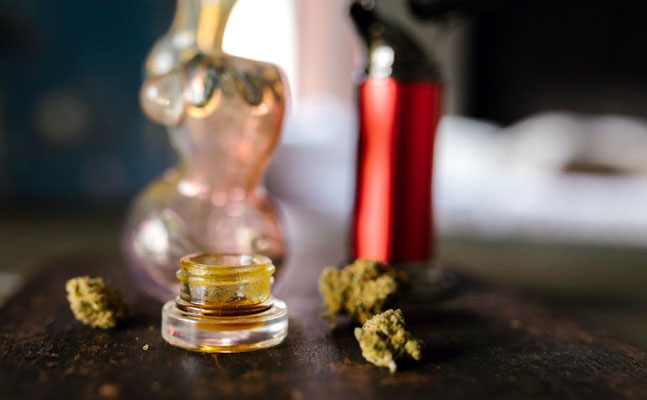
Cannabis concentrates have moved from niche product to mainstream category in legal markets across North America. Among them, shatter has become one of the most recognized forms, a glass-like, amber-colored extract that delivers significantly higher potency than dried flower.
In Canada, where adult-use cannabis has been legal nationwide since 2018, dispensaries offering premium shatter concentrates sell to a regulated adult market with strict labeling, lab testing, and potency disclosure requirements. Understanding what shatter is and how it differs from other forms helps consumers make informed choices.
What Exactly Is Cannabis Shatter?
Shatter is a cannabis concentrate produced through extraction processes that pull cannabinoids from the cannabis plant and concentrate them into a stable, brittle form. The result has a glass-like appearance, typically translucent amber or honey-coloured, that breaks cleanly into pieces.

The name comes from the texture. Properly made shatter is brittle enough to literally shatter when pressed or struck. This consistency results from the specific way the extract is purged of solvents and cured.
According to Health Canada, all cannabis products sold in regulated Canadian markets must be tested for potency, contaminants, and pesticides before reaching consumers. Shatter and other concentrates carry potency labels disclosing their THC and CBD content, which is dramatically higher than that of typical dried flower.
How Is Shatter Made?
Production involves extracting cannabinoids from cannabis plant material using a solvent, typically butane or propane. The cannabis is washed with the solvent, which dissolves the cannabinoids and other plant chemicals. The resulting solution is then purged of solvents through controlled heat and vacuum pressure.
The specific purge conditions determine the final consistency. Shatter requires a particular combination of temperature and time that produces the characteristic stable, brittle texture. Other concentrates like wax, budder, and crumble result from different purge approaches.
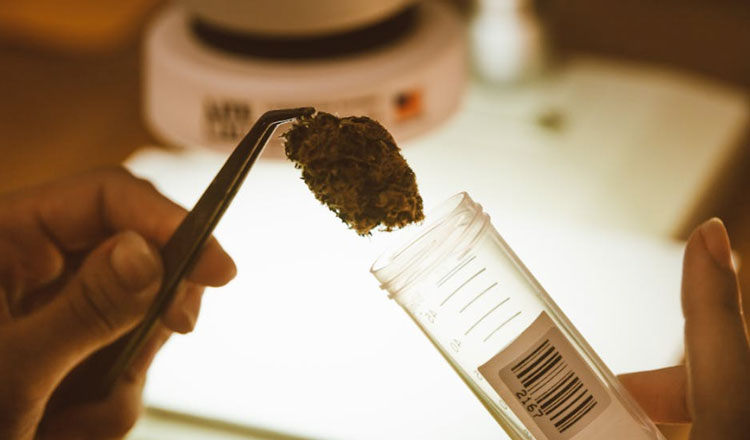
Modern production happens in laboratory facilities that meet strict safety and quality requirements. Solvent extraction at scale requires specialized equipment, ventilation, and trained operators. According to provincial cannabis regulations, only licensed processors can produce concentrates for legal sale.
How Does Shatter Differ from Other Cannabis Products?
Several characteristics distinguish shatter from other forms.
- Potency. Shatter typically tests at 70 to 90 percent THC, compared to 15 to 25 percent for high-quality dried flower.
- Volume. A small amount of shatter delivers the cannabinoid content of a much larger amount of flower, which affects how consumers store and use it.
- Flavor profile. Shatter retains some of the terpene profile of the source cannabis, but typically less than products like live resin that prioritize terpene preservation.
- Storage requirements. Shatter is stable at room temperature in dark conditions but degrades faster than dried flower if exposed to heat, light, or air.
- Use methods. Shatter is typically vaporized through a dab rig or vape pen designed for concentrates rather than smoked like flower.
- Onset time. Vaporized shatter produces effects within minutes, similar to flower, but at much higher intensity per unit.
These differences make shatter inappropriate for experienced consumers who understand concentrate dosing and appropriate for newcomers who would benefit from starting with lower-potency products.

What Should Consumers Know About Legal Shatter Markets?
Canadian legal markets give consumers significant protection that illicit market alternatives cannot match.
Lab testing is mandatory. Every product sold through legal Canadian dispensaries has been tested for potency, residual solvents, pesticides, microbials, and heavy metals. Labels disclose all relevant information.
According to the Canadian Centre on Substance Use and Addiction, legal market products are dramatically less likely to contain contaminants than illicit market alternatives. The premium consumers pay for legal products goes directly toward the testing, regulatory compliance, and quality control that protect them.
Age verification is universal. Legal Canadian dispensaries verify customer age before sale, restricting access to consumers above the provincial minimum (18 or 19, depending on province).
Packaging requirements support informed use. Plain packaging with detailed labels including potency, ingredients, and warnings is mandatory, allowing consumers to make decisions based on accurate information rather than marketing.
Cannabis Shatter Highlights
- Shatter is a cannabis concentrate with a glass-like, brittle texture and high potency (typically 70-90% THC).
- Production uses solvent extraction followed by controlled purging in licensed facilities.
- Shatter delivers significantly higher potency per unit than dried cannabis flower.
- Legal Canadian markets require lab testing for potency, contaminants, pesticides, and microbials.
- Concentrates are appropriate for experienced consumers who understand dosing.
- Plain packaging with detailed labels supports informed adult consumer choice.
A Mature Product in a Mature Market
Cannabis concentrates, including shatter, represent the maturation of legal cannabis markets. Standardized testing, clear labeling, and regulated production give adult consumers options that simply did not exist in pre-legalization markets. Understanding how these products work and how legal markets protect consumers helps adults make informed choices appropriate to their experience and preferences. The same structure that makes the Canadian market auditable for regulators also gives consumers verifiable data points they can learn from over time. A buyer who keeps track of which terpene profiles suit their preferences, which potency ranges feel appropriate, and which licensed producers consistently deliver on their label claims builds up a practical understanding of the market that rewards patience. Legal Canadian concentrates exist on a shelf next to edibles, oils, and dried flower, and the category distinctions are clearly marked for adults who want to make measured decisions.
FAQ
Is cannabis shatter legal in Canada?
Yes, for adult use through licensed dispensaries. Canada legalized adult-use cannabis nationally in 2018, with provincial regulations governing sales. Concentrates, including shatter, became available in late 2019.
How is shatter different from dried cannabis?
Shatter is a concentrate produced by extracting cannabinoids from cannabis plant material. It contains 70 to 90 percent THC compared to 15 to 25 percent in dried flower, making it significantly more potent per unit.
Is shatter safe to consume?
Legal market shatter that has been lab tested for contaminants is as safe as any cannabis product. Illicit market concentrates carry significant risks because they are not tested. Adult consumers should always purchase from licensed dispensaries.
How should consumers store shatter?
Sealed containers in cool, dark conditions. Avoid heat, light, and air exposure, all of which degrade potency and flavor over time.