
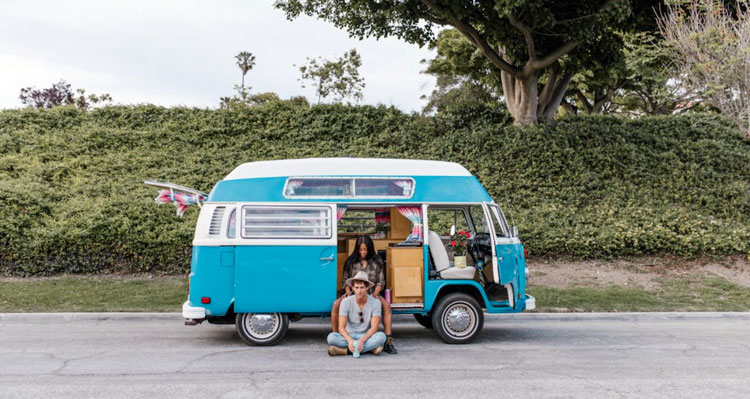
The dream of the open road is calling many people to the camper van lifestyle. It offers a unique mix of adventure and comfort that regular travel cannot match.
Planning this type of trip requires more than just a map and a full tank of gas. You need to consider your vehicle, your power needs, and where you will stay along the way.
Choosing Your Rental Vehicle
Choosing between renting and buying is your first big choice. Rental prices often change based on the travel season and the specific size of the rig. It is a good idea to compare different models to see which one fits your driving comfort level.
One rental agency noted that daily rates for Class B vans in the USA usually fall between $100 and $250. This is a smart way to try the lifestyle since you are not committing to a purchase. You can test out the kitchen setup and the sleeping area before spending more money.
Renting allows you to see if you like driving a large vehicle through tight mountain passes. You can find out if the bed is comfortable without a huge investment.
Visualizing Life on the Road
Visualizing your daily life on the road is a helpful step. You need to think about where you will shower and how you will cook your meals. Taking the time to plan these small details makes the actual trip much smoother.

Many people spend months researching different layouts and storage ideas. Exploring the resources, such as the Ty Chapman van life journey, provides a real look at how to balance freedom with practical needs. Seeing how others manage their gear can spark your own creativity for your future setup.
Every traveler has different priorities for their unique interior layout. Some need a big kitchen, and others want a large garage area for bikes. Your layout should reflect the activities you plan to do the most during your travels.
Managing Your Power Needs
Staying powered up keeps your fridge running and your phones charged. Modern technology makes it easier to stay off-grid for longer periods without needing a plug-in. You must calculate your energy use so you do not run out of battery in the middle of nowhere.
A specialist in motorhomes explained that lithium batteries are popular now since they recharge fast and hold more energy. They are a big upgrade over older lead-acid versions that weigh much more.

Building a custom system takes time and a decent budget. Statistics on DIY van builds show that a basic electrical setup can cost about $4,515 and take 86 hours to finish. This is a significant task – but it gives you the power you need for a comfortable stay.
Budgeting For Your Build
Customizing your own van lets you build the exact home you want. You can pick every material from the floor to the ceiling lights to match your style. This process is rewarding – yet it requires careful financial planning from the start.
A guide on custom builds mentioned that a mid-range interior usually costs between $20,000 and $40,000. This covers items like insulation, cabinetry, and a basic water system. Having a clear budget helps you avoid overspending on fancy gadgets you might not need.
Sustainable choices are becoming a main focus for many new builders. One design team found that eco-friendly caravaning is a top trend for the upcoming year as people look for greener ways to travel.
Tracking Modern Travel Trends
Road trips are more popular than ever right now. More families are choosing the open road over crowded airports and hotel lobbies. This shift has changed how people think about their yearly vacation time and travel goals.
Research from an RV sharing site shows that 60% of travelers are planning a trip in a mobile home this year. This high demand means you should plan for popular routes. Booking your vehicle early can save you money and give you more choices.
Rental prices in other regions follow similar patterns. A European rental firm expects 2026 rates for new five-seat vans to start around €160 per night. Keeping an eye on these trends helps you pick the right time for your epic journey.
Selecting The Right Campsites
Picking where to sleep at night is a major part of the prep work. You can choose between wild camping or official parks with full hookups. Each choice offers a different level of privacy and access to nature.
A travel tip site recommends booking at least half of your stops when you are in a busy tourist area. This saves you from driving around late at night looking for a spot to park. It gives you peace of mind so you can enjoy the sunset instead of stressing.
Amenities at these stops can vary quite a bit. A camping survey found that 50% of travelers think clean bathrooms are the most significant part of a good campsite.
Preparing Your Travel Kit
Before you head across the country, you should take a short test run. This helps you find any missing tools or weird noises in the van. It is better to find a leak while you are close to home than in a remote forest.
A guide for beginners suggests staying at a campsite close to home to check your gear. You can see how the water system works and if the heater keeps you warm at night. This small step makes your first real trip much more enjoyable and safe.
Having a solid list of gear will keep you organized. Pack these items to stay prepared:
- First aid kit for emergencies
- Basic tool set for minor repairs
- Leveling blocks for uneven ground
- Water hose and filter for fresh tanks
- Portable solar panel for extra charge
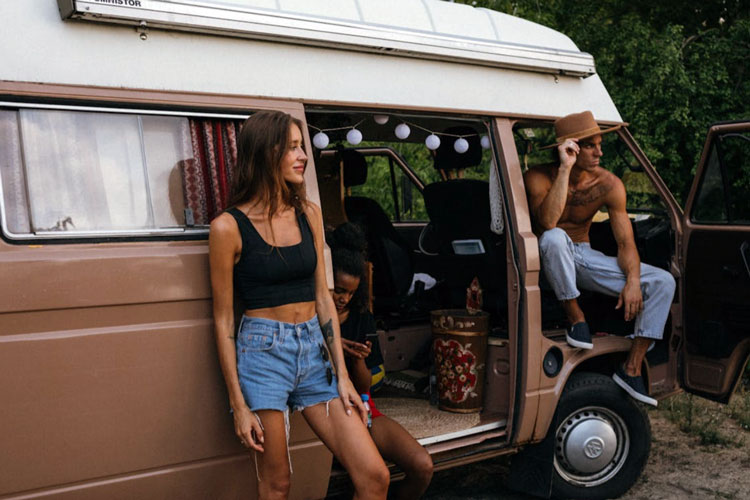
Taking your home on the road is a life-changing way to see the world. It provides the chance to wake up in a new, beautiful place every single day.
With the right prep and a spirit of adventure, your road trip will be a success. Start small, and soon you will be ready for an epic cross-country journey.