Most people choose a rental car based on price and availability, then give the features section a quick scan before clicking confirm. That habit often leads to arriving somewhere and discovering the vehicle is missing something you rely on every day. A little more attention to the details during the booking process tends to fix this problem reliably.
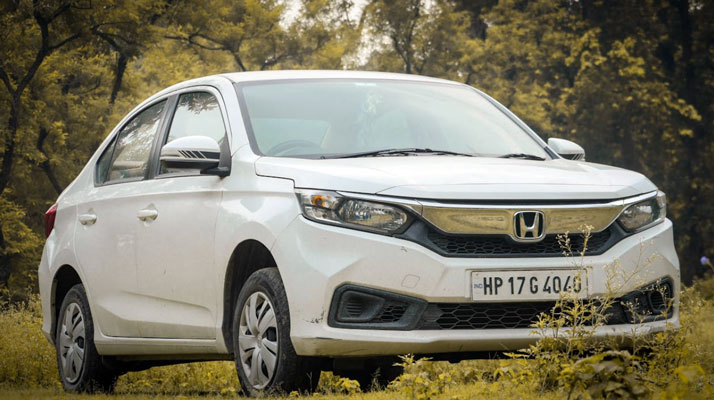
Whether you are planning a short weekend trip or a longer drive through unfamiliar territory, the right features make a real difference on the road. Options for cheap economy car hire in Australia now include safety technology and smart connectivity that were once reserved for premium categories. Knowing what to look for before you book saves time, money, and unnecessary stress.
Fuel Efficiency and Running Costs
Fuel costs add up quickly on multiday rentals, especially when you are covering long distances or driving through areas with sparse service stations. Compact and economy vehicles consistently return better mileage than larger models under both city and highway conditions. This makes them a practical starting point for any trip where distance and budget both play a role.
Before confirming a booking, check the engine size and fuel type listed in the vehicle description. Smaller engines in the 1.0 to 1.2 liter range tend to use fuel efficiently, whether you are sitting in traffic or cruising on an open road. Some rental fleets now also offer hybrid options, which cut fuel consumption further during slow urban driving conditions.
Knowing the vehicle’s approximate range on a full tank also supports better trip planning before you leave. You can identify fuel stops ahead of time and avoid the stress of running low in a remote section of road. It is a small step that pays off consistently on longer trips.
Safety Features Worth Checking Before Pickup
Modern rental vehicles increasingly include systems designed to help prevent accidents before they happen. When evaluating a vehicle’s safety setup, the following features are worth confirming directly with the rental provider:
- Autonomous emergency braking detects obstacles in the vehicle’s path and applies the brakes when the driver has not reacted in time to stop.
- Lane departure warnings alert the driver when the car drifts out of its lane without a signal being activated.
- Blind spot monitoring provides a visual or audible cue when another vehicle enters the area directly beside or behind you.
Research from the National Highway Traffic Safety Administration shows that forward collision warning combined with automatic braking has measurably reduced crashes from rear impacts in passenger vehicles. Choosing a rental with these features adds real protection, particularly on busy highways or roads you have never driven before. The benefit becomes clear quickly when traffic slows without warning ahead of you.
These features do not always come included at entry-level rental tiers, so a short question to the booking desk before pickup resolves any uncertainty. Knowing what the exact model includes before you arrive prevents any last-minute surprises at pickup.
In-Car Connectivity for Navigation and Communication
Getting disoriented in an unfamiliar city is one of the most common frustrations among rental car drivers, and it is largely avoidable with the right vehicle setup. Cars fitted with Apple CarPlay or Android Auto address this problem directly and efficiently. Your phone’s maps, music, and messaging apps appear on the dashboard screen in a familiar layout that needs very little adjustment.
Bluetooth audio and hands-free calling round out the connectivity picture for most drivers. Losing these features in a rental feels like a noticeable step backward for anyone who uses them daily in their own car. Confirming availability before you pick up the vehicle saves that particular frustration from happening on the first day of the trip.
An 8-inch touchscreen has become fairly standard in newer economy vehicles and makes the infotainment system straightforward to use on the go. It keeps controls accessible without requiring more than a quick glance away from the road. Before booking, check whether the model supports wireless pairing or requires a cable for full phone integration.
Rear Visibility and Parking Assistance
Parking in tight urban spaces is where many drivers feel most uncertain behind the wheel of an unfamiliar vehicle. A rearview camera removes much of that stress by showing exactly what sits behind the car while reversing into a spot. Parking sensors add an audible cue that increases in frequency as you close in on an obstacle.
These tools matter whether you are parallel parking on a city street or backing into a narrow lot space under pressure. Research from the AAA Foundation for Traffic Safety has found that backup cameras reduce backing-related crashes and injuries across a wide range of vehicle types. These features are now required in all new passenger cars sold in the United States, but rental fleet age and turnover vary between providers.
When reviewing rental listings, look for vehicles that mention a rearview camera or parking sensors in the features section. A quick question to the rental desk confirms the details if the listing is unclear. That one short conversation can prevent real stress when you arrive at a busy destination with few parking options.
Matching the Vehicle Size to Your Actual Plans
Vehicle size shapes more than just how the car handles on an open highway at speed. It affects where you can park, how much fuel you use, and how comfortable passengers feel after a few hours of travel. Matching the size to the real demands of your trip is one of the most practical choices you can make at booking.
Economy cars suit one or two travelers moving with light luggage in most situations. If you are traveling with four or five passengers, a compact hatchback or sedan can seat everyone, but cargo space becomes genuinely tight after a certain point. Upgrading one category level often solves the storage problem without adding much to the total rental cost.
For solo drivers or couples making trips through urban areas, a smaller vehicle offers a real practical advantage from the start. Narrow streets, crowded parking structures, and fuel stops are all easier to manage in a compact model. Aligning the vehicle size with your actual itinerary is the clearest way to avoid logistical problems during the trip.
The Habit That Changes How You Book
Taking a few minutes to read through a vehicle’s feature list before confirming a rental is a small habit with a reliable payoff for most travelers. It helps you avoid cars that are missing tools you count on daily and confirms the vehicle fits your trip in terms of size, safety, and cost. A quick review at booking is far easier than managing the frustration of a poor fit once you are already on the road.
Rental fleets have improved substantially over the past several years, and economy options now carry technology that rivals what many private car owners drive regularly. The gap between budget pricing and genuine comfort is smaller than most travelers expect, and picking the right vehicle makes that difference felt from the first hour behind the wheel.