Anyone who’s ever worked a trade show knows that a booth is easy to build. It’s the brand moment that is difficult to create, which is why brands lean on different digital strategy professionals in the United States to connect what happens on the show floor to what happens afterward.
Websites, inboxes, and influence in the decision-making chain are all crucial to brand success. The agencies that do this well treat an event less like a one-day performance and more like a campaign with a long tail.
For communities that host expos and seasonal fairs, the same thing applies at every scale. Whether you’re trying to fill a product demo schedule or simply get people to stop, listen, and remember your name, the goal is to turn foot traffic into something that lasts longer than a tote bag.
Industry built on measurement
A well-run event looks effortless, which is exactly why event planning is a big industry. The Bureau of Labor Statistics tracks meeting, convention, and event planners as a distinct occupation, including job counts, pay, and long-term outlook. Their Occupational Outlook Handbook lists 155,800 jobs (2024), median pay of $59,440 (May 2024), and a projected 5% growth from 2024–2034.
For agencies, those numbers reinforce the practical point that event marketing is a disciplined field with real stakes and real expectations of accountability.
That’s why the best teams decide in advance whether they’re measuring pipeline influenced, meetings booked, demos completed, qualified conversations, post-event engagement, or all of the above, and then build the booth experience around that goal.
Brands are made post-event
If the event is the spark, the follow-up is the oxygen. Most brands understand this in theory, but top agencies build systems that make it unavoidable in practice.
That’s where digital channels do their best work. A thoughtful recap email, a targeted nurture sequence, and a short run of content clips can turn a nice booth into something prospects keep noticing everywhere.
And because a big part of modern event amplification happens on social platforms, agencies watch broad behavior patterns, including what people actually use and how often.

Pew Research Center’s Americans’ Social Media Use 2025 report, based on a survey of U.S. adults conducted Feb. 5 to June 18, 2025, is a good reminder that social media is a shifting set of habits across platforms and age groups.
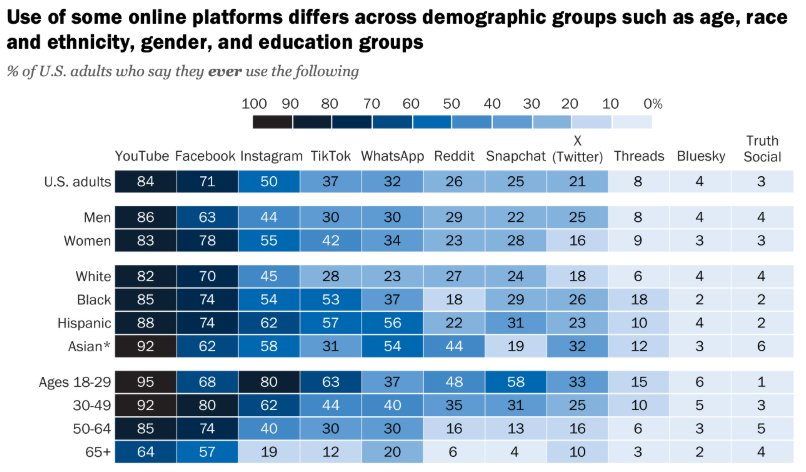
Source: Pew Research
In practical terms, agencies translate this into choices of which clips get edited vertically, which moments get photographed, and which messages get repeated consistently enough to carry past the event weekend.
This is also where a lot of teams learn the hard way that you can’t “save it for later.” If you don’t capture usable content during the event, the tail disappears.
Credibility travels farther than cleverness
When a brand shows up in person, it borrows credibility from the room, especially at community-facing events where relationships matter. That’s why many agencies coach clients to show up as contributors, rather than just exhibitors. When you help attendees navigate the event, highlight partners, and share practical information that makes people’s day easier, you gain a lot of goodwill.
This is also where small-market common sense becomes a competitive advantage. In places where word travels quickly through neighbors, chambers, and local news, your event presence becomes part of your reputation. One rushed interaction can undo a month of advertising, while one helpful conversation can become the story people repeat.
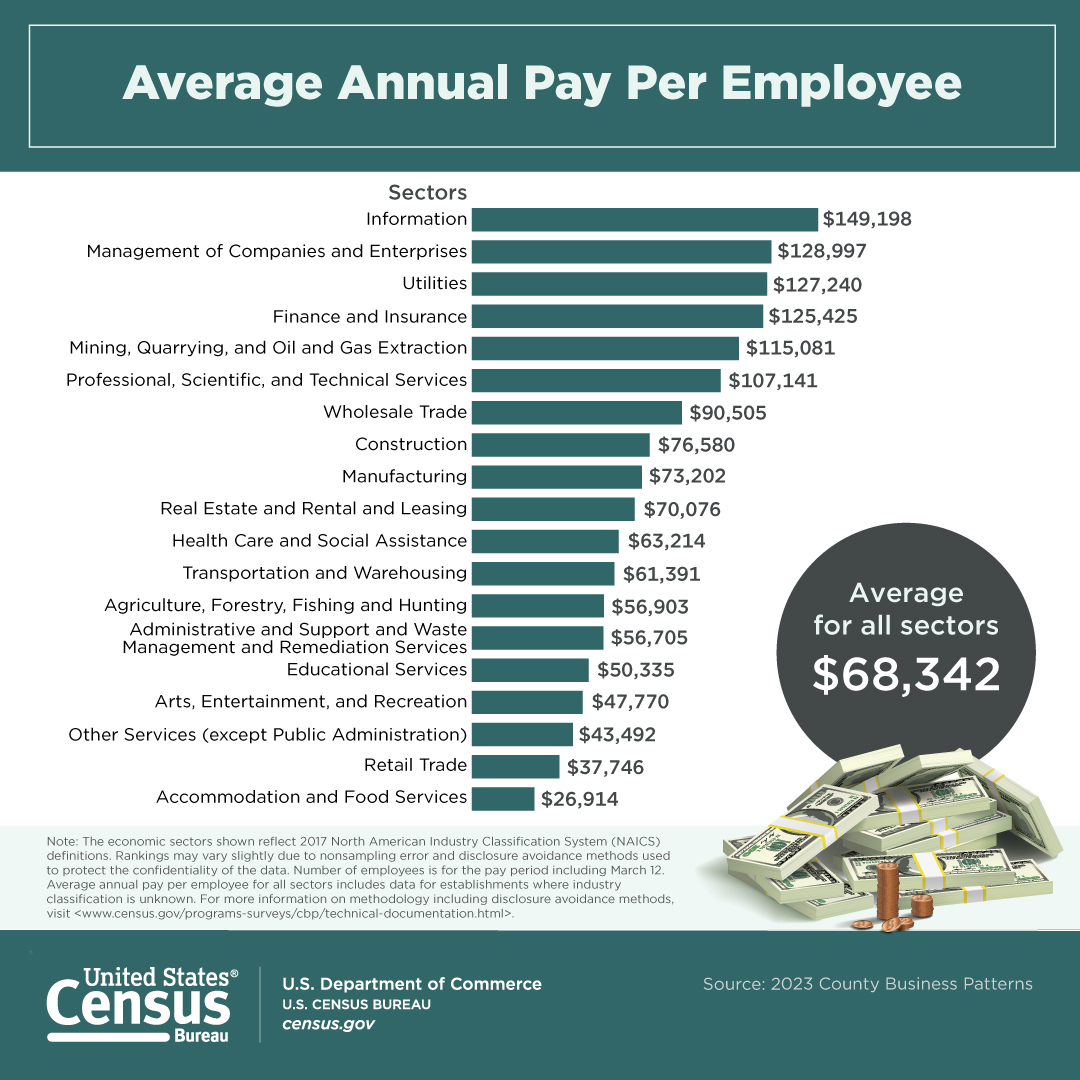
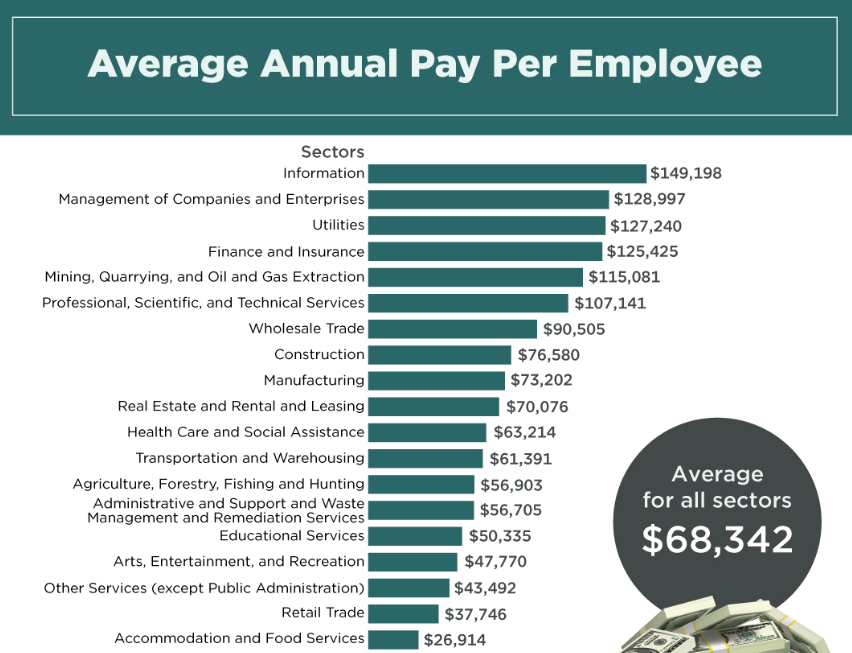
If you want a reminder of how much business activity is connected to payroll and employer realities, the Census Bureau’s County Business Patterns infographics are useful context, showing that events don’t exist in a vacuum. They sit inside real local economies, with real employers deciding what’s worth funding.
Source: Census.gov
Sponsorships work best when they respect the audience
Digital agencies also learn to be cautious about the “big splash” instinct. Not every brand needs a giant activation, and not every audience wants one. The best sponsorships are aligned with context, feeling like a natural extension of the event rather than an interruption.
That’s especially true around sporting events, where fans are already emotionally invested. The smartest brands simply support that attention, rather than trying to hijack it. They create something that adds to the experience and stays out of the way, while still leaving a clear memory.
The same principle applies to festivals and fairs. The event has its own purpose, rhythm, and culture, and if your presence improves that experience, you earn trust. If you fight it, you become background noise.
The simplest test: what will people remember on the drive home?
After the booths come down and the badge lanyards end up in a drawer, you’re left with the question of what attendees took home from the experience.
Top agencies aim for a single idea, clear enough to repeat and specific enough to matter, rather than a list of features or a vague sense that the booth looked expensive. In the end, the booth is only temporary, and the brand moment is what lasts.