

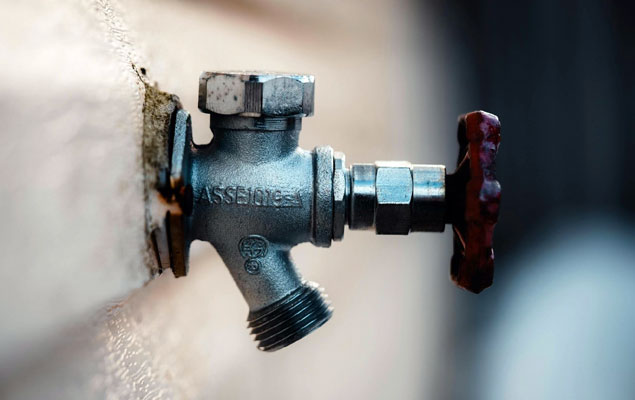
Plumbing problems often start small, then grow fast. A tiny drip can stain ceilings, warp floors, and raise your water bill. Cold snaps can stress pipes, while hard water and age weaken the lines you use every day.
When you bring in a pro, you get more than a quick fix. You get tested methods, the right tools, and a plan to prevent repeat issues. Below are nine ways licensed plumbers solve common pipe problems and help you protect your home.
Leak Detection And Repair
Small leaks are sneaky. They hide behind walls, under sinks, and in crawl spaces. Pros use acoustic devices, moisture meters, and thermal cameras to track the exact spot before opening anything.
Once they find the source, the fix might be as simple as a new supply line or as detailed as replacing a section of copper or PEX. Clean cuts, proper fittings, and correct torque on connections reduce the chance of future leaks.

A pro looks at the cause. Was it vibration, poor support, or corrosion? Solving the root issue keeps new leaks from forming nearby.
Choosing A Trusted Team
Get estimates in writing and ask how the plumber will prove the fix worked. Good pros explain the method and warranty, so you know what to expect. They carry current licenses and insurance.
Look for clear pricing and options that explain tradeoffs. Know the difference between a quick patch and a longer-lasting repair to avoid repeat problems. Mid-tier solutions often balance cost, durability, and disruption.
Build a relationship with a nearby team that knows your system. Homeowners often choose local specialists, Element Plumbing, for example, because proximity speeds response and improves follow-through. Ask about arrival times and whether trucks carry common parts for first-visit fixes.
Clearing Clogs And Restoring Flow
Kitchen grease, soap scum, and hair slow drains. A plunger or basic snake may help for a day, but clogs often come back. Plumbers run sectional cables or continuous snakes sized for the line, then test your fixtures to confirm the blockage is fully cleared.
In more stubborn situations, they may use hydro jetting to scrub the entire pipe interior. This clears scale and residue from the walls. The result is longer-lasting relief.

Try not to rely on harsh chemical drain cleaners. They can damage older pipes and traps, and they rarely solve deeper blockages. A professional gives you safe options that actually last.
- Typical culprits include grease, coffee grounds, and fibrous foods.
- Bathroom clogs often mix hair with soap buildup.
- Yard drains clog with leaves, silt, and roots after storms.
Stopping Water Hammer And Pipe Noise
Banging or rattling after a valve snaps shut is a sign of water hammer. High velocity water stops suddenly and sends a shock wave through your system. That shock can loosen joints and stress your pipes.
Pros slow the flow with pressure checks and valve adjustments, then add supports where pipes knock against framing. In homes with quick-close fixtures, they may install water hammer arrestors near the problem valves.
Code and best practice lean on proper arrestors when needed. A licensed plumber will size and place them so the chambers absorb the shock, reduce noise, and protect fittings across your home.
Preventing Frozen Pipes And Winter Damage
Freezing temps can turn still water into ice and expand lines until they split. A professional locates exposed runs in attics, garages, and exterior walls, then adds insulation, heat cable, and shutoff points to drain lines in severe cold.
If a pipe is already frozen, pros thaw it safely with controlled heat and flow checks. They inspect for cracks and hidden leaks after the line warms up. Quick action limits water damage.
An insurer update showed how costly freeze events can be, with tens of thousands of claims and average payouts in the five-figure range. That context underscores why pre-winter pipe checks are worth it.
Using Cameras To See Inside Pipes
Guesswork is expensive. Drain and sewer cameras remove the mystery by showing the exact cause of a recurring blockage or leak. A pro threads a small camera through cleanouts and records depth, distance, and defect type.
The video reveals dips, cracks, roots, or failed joints. With a clear diagnosis, your plumber can pick the right method and avoid tearing up the wrong area. They mark the surface location so crews know where to dig if needed.
Keep a copy of the video and the written findings. If a problem returns months later, that record speeds up the next visit and saves you money.
Sewer Line Repairs And Trenchless Options
When the main sewer line fails, the repair can be disruptive, and a plumber port stephens can help resolve the issue efficiently. Professionals start with a camera inspection to confirm the issue, then choose spot repair, pipe bursting, or lining. Trenchless methods often limit digging and shorten the job timeline.
Pipe lining installs a resin-coated sleeve inside the old pipe, creating a smooth, jointless path. It bypasses cracks and small gaps that snag debris. Pipe bursting replaces the old line by pulling a new pipe through and breaking the old one outward.
Industry reports point to strong growth in trenchless relining through the end of the decade, which mirrors what many homeowners want: less mess, durable results, and lower landscape repair costs.
Replacing Failing Supply Lines
Old galvanized steel, corroded copper, or brittle polybutylene can cause poor flow and leaks. Plumbers test pressure and inspect exposed runs, then map a repipe plan that swaps weak sections for new PEX or copper.
A planned repipe reduces surprise bursts and improves water clarity. It gives you modern shut-offs and manifold options for easy future work. Pros route new lines to limit bends and crossing paths, which keeps pressure stable.
If a full repipe is not needed, a targeted upgrade of the worst segments can buy time. Your plumber will explain the tradeoffs in cost, lifespan, and disruption so you can choose with confidence.
Managing Odors, Vents, And Traps
A sewer smell usually points to a dry trap, broken vent, or a hidden leak in a drain line. Professionals start with simple checks on trap seals, then test vents with smoke or pressure to find breaks or clogs.
They confirm proper slope. Sagging or back-pitched sections hold water and organic matter that release odors. Fixing grade and adding cleanouts make future maintenance easier.
If floor drains dry out between uses, a pro may install trap primers to keep water in place. That small add-on can end odors without ongoing attention from you.
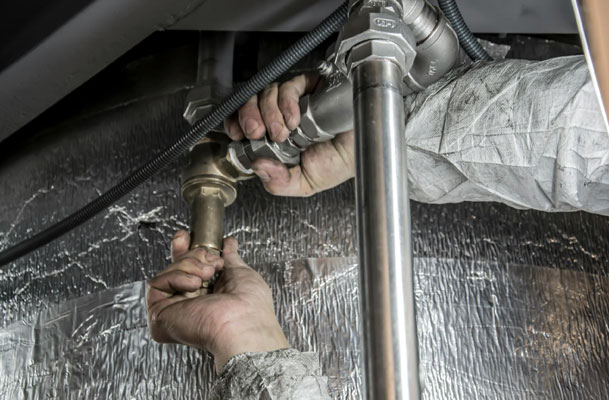
Modern plumbing problems need modern tools. Pros combine cameras, jetters, pressure control, and smart shutoffs to protect your home. That mix saves time, limits damage, and keeps daily life simple.
Weather, age, and use all stress your pipes. With regular checks and the right upgrades, you reduce the odds of leaks and clogs. A calm, planned approach today can prevent a messy surprise tomorrow.