

As cannabis legalization has expanded across the United States, the way people consume and learn about cannabis has changed dramatically. What was once a largely underground activity, shaped by limited options and informal knowledge, has become a regulated marketplace where education, choice, and consumer awareness play a growing role.
Today’s cannabis users are no longer limited to a single method or tradition. Instead, they are navigating a wide range of options, often seeking reliable information before deciding what works best for their needs and comfort levels. Educational resources from Badass Glass have become part of this shift, helping consumers understand the differences between modern consumption methods like dry herb vaporizers and more traditional approaches such as bongs.
Life Before Legalization
Before legalization, cannabis consumption methods were largely shaped by availability rather than preference. Smoking flower using simple pipes, rolling papers, or makeshift devices was common, not necessarily because it was ideal, but because alternatives were difficult to access.

Information was often passed informally, through friends or personal experimentation. Discussions about health considerations, efficiency, or long-term impact were rare, and consumers had little opportunity to compare methods in a meaningful way.
This lack of transparency defined cannabis culture for decades.
Legalization Brings Choice, and Questions
Legalization fundamentally altered that landscape. Regulated markets introduced new products, clearer labeling, and public conversations around safety and responsibility. With that shift came new questions: How does vaporization differ from smoking? What methods produce less odor? Which options are easier on the lungs?
Rather than relying solely on anecdotal advice, consumers increasingly turn to educational content to make informed decisions. Blogs, public health messaging, and research-backed discussions now play a role in shaping consumer behavior.
This marks a significant cultural change, from use based on necessity to use guided by intention.
The Rise of Vaporization
One of the most notable evolutions in the legal era is the growing interest in vaporization. Dry herb vaporizers, in particular, have gained attention as consumers look for alternatives to combustion-based methods.
Vaporization heats cannabis to a point where active compounds are released without burning plant material. For many users, this represents a shift toward cleaner and more controlled consumption, with greater attention paid to temperature, efficiency, and overall experience.
While not everyone prefers vaporization, its rise reflects a broader trend: consumers want options, and they want to understand the tradeoffs involved.
Traditional Methods Still Matter
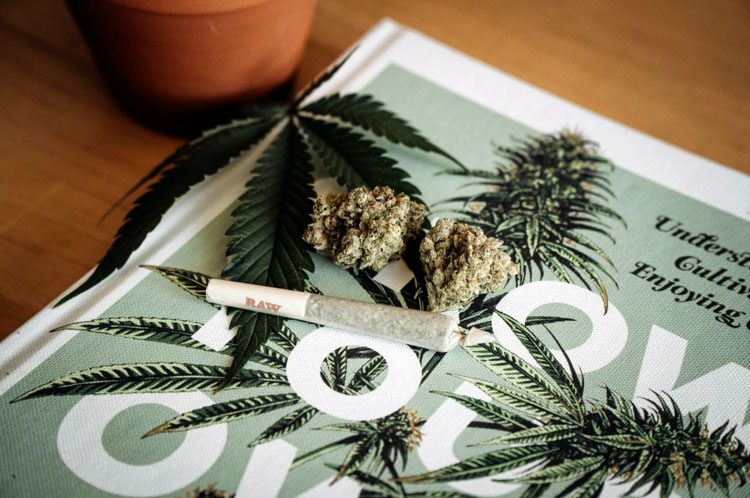
Despite the growth of newer technologies, traditional consumption methods such as bongs and pipes remain part of cannabis culture. For many, these methods are familiar, social, and tied to long-standing rituals.
What has changed is the context. In the legal era, traditional methods are now often compared alongside newer ones, with consumers weighing factors like maintenance, comfort, and personal preference. This comparison-driven mindset would have been far less common before legalization.
Rather than replacing older methods, legalization has expanded the conversation around them.
Education as a Cornerstone of Modern Cannabis Use
Perhaps the most significant change in the legal era is the emphasis on education. Consumers are no longer expected to “figure it out” on their own. Instead, they have access to explanations, comparisons, and research that help demystify cannabis use.

This educational focus supports safer and more responsible consumption. It also empowers users to align their choices with their health goals, lifestyles, and values.
According to the Centers for Disease Control and Prevention (CDC), understanding how substances are consumed, including method and frequency, is an important factor in reducing potential health risks. This perspective reinforces the value of informed decision-making over habit or assumption.
A Cultural Shift Toward Intentional Use
Legalization has also contributed to a broader cultural shift. Cannabis is increasingly viewed through the lens of moderation, wellness, and personal agency rather than excess. Consumers are more likely to reflect on how and why they use cannabis, not just whether they do.
This shift is especially noticeable among older adults and first-time legal consumers, many of whom approach cannabis cautiously and seek clear guidance. It is also evident among younger users who integrate cannabis into routines that prioritize balance and mindfulness.
What the Evolution Means Going Forward
As legalization continues to expand and research evolves, cannabis consumption methods will likely keep changing. New technologies, better data, and ongoing public dialogue will shape how people engage with cannabis in the years ahead.
What remains clear is that the legal era has transformed cannabis from a one-dimensional experience into a nuanced landscape of choice and education. Consumers now have the opportunity to make decisions based on knowledge rather than limitations.
In that sense, the evolution of cannabis consumption methods reflects something larger: a move toward transparency, responsibility, and informed participation in a once-hidden part of American culture.