


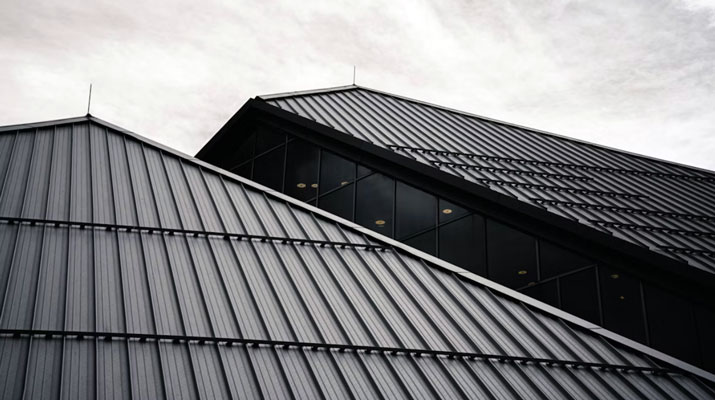
Flat surfaces show up everywhere in modern buildings – rooftops, decks, terraces, and podiums. They free up space, simplify access, and make maintenance safer. Still, the design details matter. A flat surface must move water, resist UV and chemicals, and stay stable across heat and cold.
This guide walks through the core choices for materials, structure, moisture control, and installation. You will see how each decision links to performance and cost. Use it as a practical map to plan, compare, and deliver a durable flat build.
Key Materials For Flat Surface Builds
Single-ply membranes are common for roofs and podiums. Choices include TPO, PVC, and EPDM, each with tradeoffs in reflectivity, chemical resistance, and flexibility. Reinforced sheets add dimensional stability, while thicker gauges buy extra toughness and longevity.
Bituminous options still matter. Modified bitumen in multi-ply builds delivers layered redundancy and familiar torch or cold-adhesive methods. Self-adhered sheets reduce fumes and speed installation. When detailing corners and penetrations, these plies can be shaped to form robust transitions.
You can compare common membrane categories. Take a look at https://johnsonrestoration.net/flat-roof-types/ for a quick overview – and then match product choice to climate, exposure, and budget. For accessible terraces, consider wear layers and pavers to protect the waterproofing from traffic and furniture.

Waterproofing And Drainage Strategies
Start with water control. Primary waterproofing blocks liquid entry, while secondary measures handle the unexpected. Redundant seams, welded laps, and compatible primers help create a continuous barrier. At terminations, use metal edge systems and compression seals to lock the system down.
Drainage makes or breaks performance. Internal drains with clamping rings, scuppers through parapets, or overflow paths stop water from building up, especially when fitted with heel guard grates caringbah. Strainers, sumps, and tapered crickets guide flow, and pre-manufactured drain inserts simplify tie-ins to membranes.
Add protection on top where people or equipment will be present. Pavers on pedestals, mats, or composite tiles spread loads and create maintenance paths. A protected membrane assembly can hide the waterproofing under insulation and ballast, trading exposure for easier service life.
- Primary options: single-ply sheets, multi-ply bitumen, fluid-applied barriers
- Drainage tools: tapered insulation, crickets, internal drains, scuppers
- Protection layers: pavers, mats, sacrificial surfacing, walkway pads
Insulation, Energy, And Moisture Control
Insulation choices shape energy use and durability. Polyiso delivers strong R per inch, while EPS and XPS offer moisture resistance and compressive strength. For roof decks, staggered layers with offset joints reduce thermal bridges and support better fastener patterns.

Vapor control needs a climate-aware approach. In cold regions, interior moisture can drive outward and condense in the assembly. In hot-humid zones, inward vapor drive from outside can be a risk. A smart strategy places an appropriate vapor retarder where it stops condensation without trapping water.
Ventilation and drying pathways help assemblies recover. Protected assemblies keep membranes warmer and often drier. In exposed builds, ensure coverings resist UV and heat while allowing safe inspections. Clear dew-point thinking and tested material combinations prevent hidden moisture problems.
Structural Systems And Load Planning
Flat surfaces depend on a predictable structure. Steel, concrete, and mass timber all work, but each deflects differently under load. Set deflection limits that protect waterproofing and finishes. Check how ponded water adds weight and can increase sag if drainage lags.
Live loads vary by use. A service roof needs paths for technicians, while a terrace carries groups, planters, and furniture. Green assemblies add soil and retained water. Lay out zones for heavier items and coordinate curbs, sleepers, and pads to avoid point loads on delicate layers.
Edge and penetration detailing link the structure to the skin. Curb heights must rise above finished surfaces to keep water out. Parapets need caps that shed water away from the wall. Mechanical supports should isolate vibration and allow membrane continuity without stress points.
- Dead loads: structure, insulation, pavers, ballast
- Live loads: people, equipment, snow, retained water
- Concentrated loads: planters, RTUs, guard posts, solar mounts
Installation Methods And Project Sequencing
Build order affects outcomes. Temporary weather protection shields new work from surprise storms. Dry substrates, correct primer windows, and clean laps lead to stronger bonds. Mockups confirm details before field scale, cutting rework and warranty issues.

The attachment method should fit the deck and wind zone. Fully adhered systems spread forces, mechanically fastened systems speed dry-in, and ballasted builds save adhesive while adding weight. Perimeter and corner zones often need tighter patterns to resist gusts and uplift.
Plan conflicts early. Coordinate drains, conduits, and HVAC curbs so that penetrations land where details are proven. Preform corners and pipe boots reduce field cutting. Keep a punch list for flashing, terminations, and walk pads so the final inspection goes smoothly.
Accessibility, Safety, And Code Considerations
Access drives durability. If people or equipment need regular access, include walkway routes, protection pads, and guardrails. Ladders, hatches, and doors should align with safe travel paths to drains and service points.
Safety starts at design. Anchor points for tie-offs, parapet heights, and skylight guards reduce fall risk. Fire ratings, wind uplift ratings, and hail resistance may be required by local rules. Coordinate with structural and MEP teams so safety features do not compromise waterproofing.
Codes set minimums for insulation, air barriers, and edge securement. Local amendments can change details or testing methods. Plan submittals with product data, fastening patterns, and shop drawings so approvals come without delay.
Maintenance, Monitoring, And Service Life
Every flat surface needs a maintenance plan. Seasonal checks for debris, loose terminations, and drain blockages keep water moving. Log each visit with photos and simple notes. Small fixes now prevent bigger repairs later.
Monitoring adds confidence. Moisture sensors, leak detection systems, and simple visual markers can flag issues early. On accessible surfaces, rearrange heavy items seasonally to avoid permanent depressions and membrane fatigue.
Service life depends on exposure, traffic, and upkeep. Lighter colors reflect heat and can reduce thermal stress. Protective mats and pavers limit scuffs and punctures. With routine care, many systems reach their expected lifespan and give you predictable budgeting.
Budgeting, Schedules, And Trade Coordination
Create a clear scope with alternates. List base membrane, insulation levels, and attachment method, then note adds like walk pads, pavers, or fluid-applied flashing kits. This keeps bids comparable and reduces change orders.
Schedules should respect weather and curing times. Adhesives and coatings have temperature and humidity windows. Coordinate structural work, rooftop equipment placement, and electrical penetrations so the membrane stays continuous as long as possible.
Trades must share the map. Precut curb kits, standardized pipe flashings, and agreed paths for conduits reduce damage after the membrane goes down. Final walkthroughs with all parties help verify that terminations, labeling, and access points are complete.
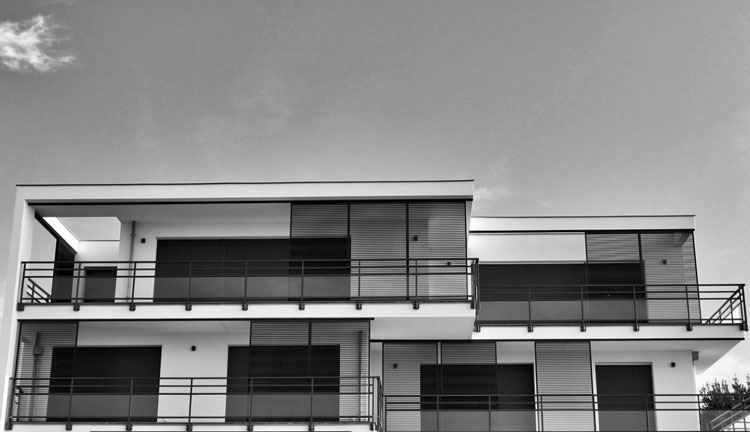
Flat surfaces reward careful planning. When you align waterproofing, structure, drainage, and insulation, the assembly works as a system. Small details at edges and penetrations carry big weight, and early coordination pays off during install and maintenance.
Use the sections in this guide as a checklist to shape choices and set expectations. With a clear scope, realistic schedule, and a solid maintenance plan, modern flat surfaces can deliver long service and steady performance.